Fade Haircuts Explained: Choosing the Right Fade for Your Style
Low, mid, high and skin fades explained, how to pick one for your hair and face, what to tell your barber, and how often to get it touched up.
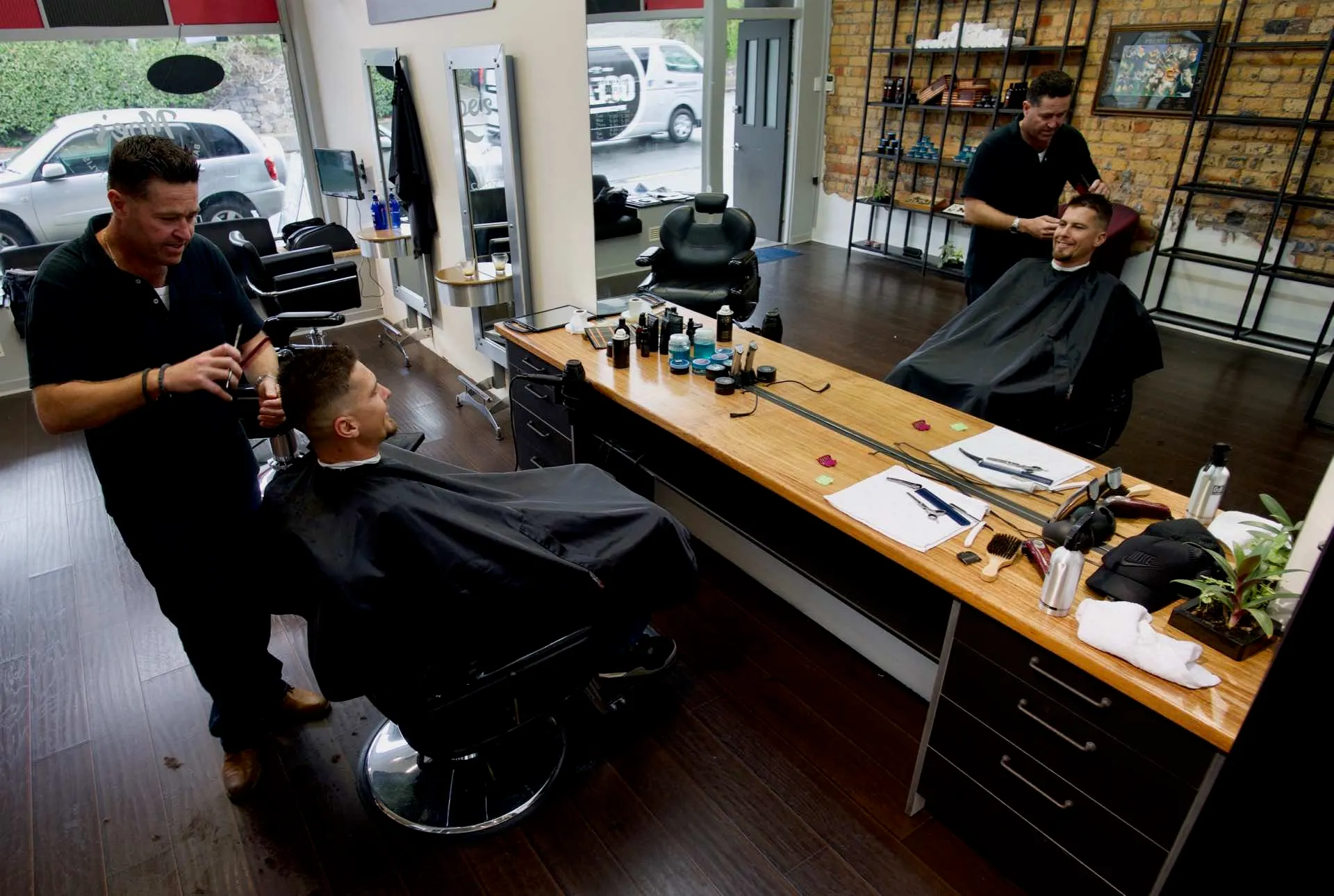
“Fade” is probably the most requested word in any barber shop, and also one of the most misunderstood. Ask three people what a mid fade looks like and you might get three different answers. This guide explains the main types of fade, how to choose one that suits your hair and lifestyle, and exactly what to say in the chair so you walk out with the cut you pictured.
What is a fade haircut?
A fade is a haircut where the hair on the back and sides gets gradually shorter as it moves down the head, blending smoothly from longer hair on top to very short (or no) hair near the neckline and ears. The key word is gradually. A good fade has no hard lines between lengths; it just melts from one into the next.
Fades are done mainly with clippers, using different guard lengths and careful blending. The top can be left at almost any length, which is why the fade works with everything from a short crop to a textured quiff.
Fade v taper
Taper gradually shortens the hair only around the sideburns and the back neckline while leaving more length and fullness on the rest of the sides and back, whereas a fade blends and shortens the hair dramatically across a much broader area all the way around the head.
Low, mid and high fades
The height of a fade describes where the shortest part starts to blend up into the longer hair.
Low fade
The fade starts just above the ears and neckline and stays low around the head. It is the most subtle option. A low fade looks neat as it grows out and suits people who want a clean finish without a dramatic contrast. It works well with longer styles on top and with beards, because it keeps some weight on the sides.
Mid fade
The fade starts around the middle of the sides, roughly at the level of the temples. It is the all-rounder: noticeable and sharp, but not extreme. If you are not sure where to start, a mid fade is a safe first choice.
High fade
The fade starts high on the head, near the top of the temples or the parietal ridge (where the head starts to curve from side to top). It creates strong contrast with the hair on top and has a bold, clean look. High fades show off the shape of your head, so they suit some people better than others.
What is a skin fade?
A skin fade (sometimes called a bald fade or zero fade) takes the shortest part right down to the skin, usually with a zero guard, foil shaver or razor. It can be done at any height: low skin fade, mid skin fade or high skin fade.
The difference from a regular fade is the bottom end. A standard fade might finish at a very short guard length, leaving a faint shadow. A skin fade finishes at bare skin, which gives the sharpest contrast and the cleanest look, but also grows out the fastest.
At Moe’s, our zero fade takes the sides right down to the skin and is $47. You can see it, along with everything else we offer, on the services and prices page.
How to choose the right fade
There is no single “best” fade. The right one depends on a few practical things.
Your hair type
- Thick or coarse hair shows a fade beautifully, because the contrast between lengths is easy to see. Most fade heights work.
- Fine or thinning hair can look sparse if the fade is very high. A low or mid fade that keeps some weight on the sides often looks fuller.
- Curly or afro-textured hair pairs well with fades of every height, and a skin fade gives a crisp edge against natural texture on top.
Your head and face shape
High fades draw attention to the shape of the head and the top of the cut. If you have a longer face, a lower fade keeps width at the sides and balances things out. If your face is rounder, a mid or high fade with some height on top can add length. These are guidelines rather than rules, and your barber can tell you what will work on you in person.
How much maintenance you want
This is the one people forget. The shorter and higher the fade, the quicker it loses its sharpness. A skin fade can look noticeably softer within a week or two, while a low taper can still look tidy after a month. Be honest with yourself (and your barber) about how often you will really come back.
Work, sport and everyday life
Think about where you spend your week. A high skin fade suits plenty of workplaces now, but if you want something that looks tidy under a helmet, a cap or a hard hat every day, or you would rather not be noticed, a low fade or taper is easier to live with.
What to tell your barber
You do not need to know all the terminology, but these details make a huge difference:
- Where you want the fade to start. Point to it on your head: just above the ear, at the temple or higher.
- How short at the bottom. Down to the skin, or a shadow of hair left?
- What you want on top. Length, whether it is textured or smooth, and how you style it.
- The neckline. Faded out naturally, or a squared-off line?
- A photo or two. Pictures of the cut you like (ideally on someone with similar hair to yours) save a lot of guesswork.
A good barber will ask most of these questions anyway. If something is not going to work with your hair, they should say so before they start, not after.
How often should you get a fade touched up?
As general guidance, not a rule:
| Style | Typical touch-up |
|---|---|
| Skin fade / high fade | Every 2 to 3 weeks |
| Mid fade | Every 3 to 4 weeks |
| Low fade or taper | Every 4 to 6 weeks |
Hair grows at different speeds for different people, so treat this as a starting point. If you like your fade looking freshly cut, book your next appointment before you leave.
Styling and looking after your fade
- Use the right product for the top. Matte clay or paste for texture, pomade for shine and a slicker finish. Ask your barber what they used.
- Go easy on the sides. A faded section needs almost no product. Too much makes the blend look patchy.
- Keep the neckline clean between cuts if you are confident with a trimmer, but leave the blending to the barber.
- Protect your skin. Freshly faded skin can catch the sun, so sunscreen is worth it after a skin fade, especially in summer.
Book a fade at Moe’s
If you are in or around Mt Eden and want a fade done properly, come and see Moe or Nathan at 613 Mt Eden Road. Tell us what you are after, show us a photo if you have one, and we will talk it through before the clippers come out. Not sure if a barber is right for you? Our guide to choosing a barber in Mt Eden covers what to look for.
Book your fade online or call 09 630 3674.